What the drip contains
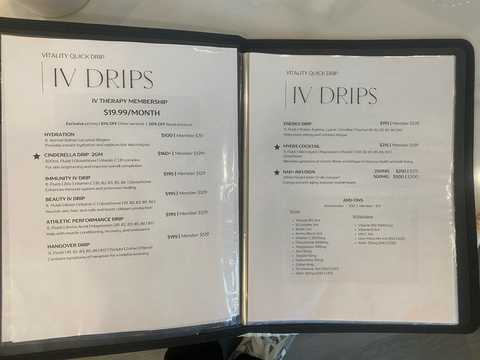
The Hangover IV Drip combines rehydrating fluids with electrolytes, vitamins, and targeted anti-nausea and anti-inflammatory support to address common aftereffects of a long night out. Delivered intravenously, the fluids bypass digestion and enter the bloodstream directly, which typically allows components to begin working sooner than oral replacements because they are not limited by gastrointestinal absorption.
This formula is arranged to rehydrate and settle the system rather than to diagnose or treat underlying disease. If you have severe dehydration, ongoing vomiting, altered consciousness, or other acute medical issues, staff will recommend emergency evaluation. Always tell the clinician about medications, allergies, pregnancy, or chronic conditions before starting so we can assess safety and next steps.
What to expect during treatment
A short clinical intake precedes the infusion so staff can review your recent drinking, symptoms, and medical history. The IV is inserted while you sit or recline, and the recovery drip runs over the course of 60 MINUTES. Care includes monitoring for comfort and any immediate reactions; staff can adjust positioning or pause the infusion if you need.
Because Vitality Quick Drip is located near Grapevine Mills and close to Highway 114 and DFW Airport, quick before- or after-flight appointments are convenient for travelers and commuters. Many local clients schedule evenings or weekends around shopping, events, and family activities; plan for about an hour at the clinic and arrange transport if you feel unsteady after treatment.
Who should consider it
This drip is intended for adults experiencing headache, nausea, and fatigue after a long night out who seek prompt symptomatic relief. It is often chosen by shoppers, convention attendees, or travelers visiting Grapevine’s retail and event districts. The therapy is not a substitute for medical evaluation when symptoms are severe or accompanied by high fever, confusion, or loss of consciousness.
Tell scheduling staff about current medications, pregnancy status, or chronic illnesses so caregivers can determine suitability. For complex medical histories or treatments that require physician input, the team will advise whether IV therapy is appropriate or if additional medical clearance is recommended before proceeding.